
Akhenaten
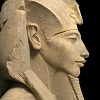
Amenhotep IV (d. c. 1336 B.C.) was an 18th dynasty pharaoh of Egypt, son of Amenhotep III and his Chief Queen Tiye, and the husband of the beautiful Nefertiti. He is best known as the heretic king who tried to change the religion of the Egyptians. Akhenaten established a new capital at Amarna to go along with his new religion that focused on the god Aten, whence the pharaoh’s preferred name. Following his death much of what Akhenaten had had constructed was destroyed deliberately. Shortly afterwards, his successors returned to the old Amun god. Some count Akhenaten as the first monotheist. Artifact identifies King Tut’s father says that Zahi Hawass has found evidence that Tutankhamen was the son of Akhenaten.
Alaric the Visigoth
Alexander the Great
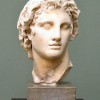
Alexander the Great, King of Macedon from 336 – 323 B.C., may claim the title of the greatest military leader the world has ever known. His empire spread from Gibraltar to the Punjab, and he made Greek the lingua franca of his world. At the death of Alexander a new Greek age began. This was the Hellenistic period during which Greek (or Macedonian) leaders spread Greek culture to the area Alexander had conquered. Alexander’s colleague and relative Ptolemy took over Alexander’s Egyptian conquest and created a city of Alexandria that became famous for its library, which attracted the leading scientific and philosophical thinkers of the age.
Amenhotep III
Ashoka
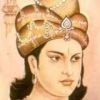
Atilla the hun
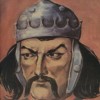
Boudica
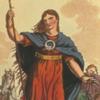
Ch’in Shi Huang
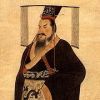
Cleopatra
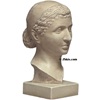
Hammurabi
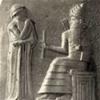
Hannibal
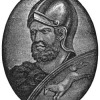
Hatshepsut
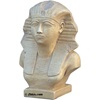
Mithridates
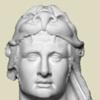
Nebuchanezzar II
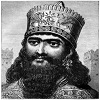
Nefertiti

Pericles
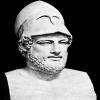
Ramses
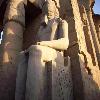
Sargon the Great
Trajan
Xerxes the Great
The Achaemenid Persian King Xerxes (520 – 465 B.C.) was the grandson of Cyrus and the son of Darius. Herodotus states that when a storm damaged the bridge Xerxes had had built across the Hellespont, Xerxes got mad, and ordered the water be lashed and otherwise punished. In antiquity, bodies of water were conceived of as gods (see Iliad XXI), so while Xerxes may have been deluded in thinking himself strong enough to scathe the water, it is not as insane as it sounds: The Roman Emperor Caligula who, unlike Xerxes, is generally considered to have been mad, ordered Roman troops to gather seashells as spoils of the sea. Xerxes fought against the Greeks in the Persian Wars, winning a victory at Thermopylae and suffering defeat at Salamis.